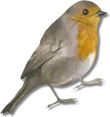
Maravillosos et piadosos
Alfonso X “the Wise” · Cantiga de Santa María no. 139
Maravillosos e piadososWondrous and merciful
e mui fermosos miragres fazand most beautiful miracles
Santa Maria, a que nos guiadoes Holy Mary work, who guides us
ben noit' e dia et nos dá paz.well by night and day and gives us peace.
E dest' un miragre vos contar queroAnd of these I wish to tell you a miracle
que en Frandes aquesta Virgen fez,that this Virgin worked in Flanders,
Madre de Deus, maravillos' et feroMother of God, wondrous and mighty,
por unha dona que foi unha vez.for a lady who once went
A sa eigreja desta que sejato her church: may she be
por nós, et vejamola sa fazfor us, and may we see her face
no Parayso, u Deus dar quisoin Paradise, where God willed to give
goyo et riso a quen lle praz.joy and laughter to those who please Him.
Aquesta dona levou un meninno,This lady took a little boy,
seu fillo, sigo, que en offreconher son, with her, whom as an offering
deu a Virgen mui pequenynno,she had given to the Virgin when very small,
que de mal ll' o guardass' e d'o queijon.that she might keep him from harm and grief,
Et lle fezesse per que disesseand make him such that he would always say
sempr' e soubesse den ben assaz,and know a great deal of good;
que, com' aprendo, seu pan comendo foi.and, as I learn, he went along eating his bread.
Mui correndo parou s'en az.Running, he stopped before the image.
Cabo do Fillo daquela omagenBeside the Son of that image
e diss'o meninno: “Queres papar?”the little boy said: “Will you eat?”
Mais la figura da Virgen mui sagenBut the figure of the Virgin, most wise,
diss' a seu Fillo: “Dille sen tardarsaid to her Son: “Tell him without delay
que non ss'espante, mais tigo jantenot to be afraid, but to dine with you
u sempre cant'e haja solazwhere he may ever sing and have solace,
e seja quito do mui malditoand be free of the most accursed
demo que 'scrito é por malvaz.”devil, who is written down as wicked.”
Quand' esto diss', a omagen de ChristoWhen she had said this, the image of Christ
respos ao meninno: “Paparásanswered the child: “You shall eat
cras mig' en Ceo; e pois que me vistowith me tomorrow in Heaven; and since you have seen me,
houveres, sempre pois migo seerás.you shall be with me for evermore.
U ouças quanto cada un santo canta,There you will hear all that each saint sings,
que chanto e mal desfaz.”which undoes weeping and evil.”
Esto comprido foi, e transsidoSo it came to pass: the boy passed away
e moço e ido a Deus vi’az.and went straight to God.
A batalla con los rayos
Alonso de Torices · Tono to the Blessed Sacrament
¡A batalla con los rayos!To battle with the rays!
La nieve hermosa se ostenta,The lovely snow shows itself proudly:
¡alarma, alarma! ¡Guerra, guerra!to arms, to arms! War, war!
Que por vencer del alma las tinieblasFor to conquer the darkness of the soul,
si flechas ellos disparan,if they shoot arrows,
también dispara ella flechas.she shoots arrows too.
En un peñasco de lucesOn a crag of lights
tiene un castillo su asiento.a castle has its seat.
Si de nieve sus murallas,If its walls are of snow,
su homenaje todo es fuego.its keep is all of fire.
¡Afuera, que tremola el rey sus dos banderas!:Make way, for the king unfurls his two banners:
la blanca para hacer paz con el hombre,the white, to make peace with man,
la roja para hacer al mundo guerra.the red, to make war on the world.
La guarnición que demuestra es tener un lado abierto,The garrison he displays is an open side,
por cuya rotura sale una escuadra de misterios.through whose breach a squadron of mysteries sallies forth.
Soldado ha sido siempre, y fue,A soldier He has always been, and was,
según se muestra desde el vientre de su madre,as is shown, from His mother’s womb,
capitán por sus hechos y proezas.a captain by His deeds and prowess.
Jilguerillo parlero
José de Cáseda · Tono to the Blessed Sacrament
Jilguerillo parleroChattering little goldfinch,
que rompes los aires con dulces silvas,who cleave the air with sweet silvas,
y en acentos sonorosand in sonorous accents,
del prado cortando las flores,plucking the flowers of the meadow,
afilas el pico.sharpen your beak.
Hoy tus voces publicanToday your voices proclaim
las glorias de aquel sol luciente,the glories of that shining sun,
y arpón de Cupidoand Cupid’s harpoon
descendió de la esfera más alta;came down from the highest sphere,
logrando en los pechosstriking human hearts
humanos el tiro.with its shot.
Ruiseñor enamoradoNightingale in love,
que haces música a tu amor,who make music to your love,
flaco instrumento es el picoa feeble instrument is your beak
para sacarte ese arpón.to draw out that harpoon.
Qué importa cuando en la quejaWhat matter if, when in your lament
das alivio a tu pasiónyou ease your passion,
que esté en el pico el remediothe remedy is in your beak,
si está en el pecho el dolor.if the pain is in your breast?
No es suspensión a tu penaWhat holds the wind in suspense
lo que al viento es suspensión,brings no respite to your sorrow,
y al fuego creces la llamaand you feed the flame of the fire
con el ayre de la voz.with the air of your voice.
Pajarillos, ¡cantad!
Sebastián Durón · Duo to the Blessed Sacrament
¡Pajarillos, cantad!Little birds, sing!
Fuentecillas, ¡reíd!Little fountains, laugh!
Arroyuelos, ¡corred!Little streams, run!
Airecillos, ¡venid!Little breezes, come!
Que el amor se disfraza y renace de sí sagrado rubí.For love disguises itself and is reborn from itself, a sacred ruby.
Y la pena, el dolor y el desmayo,And sorrow, pain and faintness,
sin pasar a ser fuego ni rayo,without turning into fire or lightning,
se quedó en el cristal de aquel viril.remained in the crystal of that monstrance.
¡Corred, venid, corred y venid!Run, come, run and come!
Si a tal fineza correspondes feliz,If you answer such tenderness with joy,
¡ay, qué dicha, pues llegó ya mi fin!ah, what bliss, for my end has come!
¡Ay, fuentecilla sonora, para el curso feliz!Ah, sounding little fountain, stay your happy course!
¡Ay, dueño amante!, bien podré yo decir:Ah, loving master! well may I say:
¡ay, te disfrazas para hacerme feliz!ah, you disguise yourself to make me happy!
¡Ay, qué gorjeos las aves, rinden gracias mil!Ah, what warbling: the birds give a thousand thanks!
A tal grandeza rindo gracias mil,To such greatness I give a thousand thanks;
¡ay, que si como no hay más que pedir,ah, since there is nothing more to ask,
¡ay, airecillos sutiles, mi dicha aplaudid!ah, subtle little breezes, applaud my joy!
Si el blanco velo es cendal sutil,If the white veil is a fine gauze,
¡ay, no recates hoy tu ser así!ah, do not hide your being so today!
¡Ay, arroyuelo que corres, para el curso feliz!Ah, little stream that runs, stay your happy course!
Callad, pensamientos
Sebastián Durón · Tono to the Blessed Sacrament, contrafactum of “Abril floreciente”
Callad, pensamientos,Be still, my thoughts,
llegad, no le ofendan,draw near, let nothing offend Him,
que Dios se ha escondidofor God has hidden himself,
porque le ha vencido su misma fineza.overcome by his own tenderness.
En blanco accidente los ojos no vean,Let the eyes not see in the white accident,
guardando el secreto, que el Cielo se abrevia.keeping the secret, that Heaven is made small.
Los sentidos todos su luz ya detengan,Let all the senses now hold back their light,
haciendo al silencio que lengua le sea.making silence itself become their tongue.
El alma, si adora, con tiento se mueva,Let the soul, if it adores, move with care,
pues en este velo su gloria se encierra.for in this veil its glory is enclosed.
Cristal condensado las aguas se adviertan,Let the waters appear as condensed crystal,
y paren su curso su orgullo detengan.and stay their course and hold back their pride.
¡Jilguerillos, cantad!
Joan Barter · Tono to the Blessed Sacrament
¡Jilguerillos, cantad!Little goldfinches, sing!
¡La, Sol, Fa, Mi, Re, Ut!,La, sol, fa, mi, re, ut!
del aire la inquietud.The restlessness of the air
Con gorjeos ¡parad!halt with your warbling!
Con trinando y bemol,With trills and flats,
en porfiada lidin eager contest,
celebrad y aplaudidcelebrate and applaud
al más divino solthe most divine sun
que pudo el mundo ver.the world could ever see.
¡Dulces motetes trinad,Trill sweet motets,
a su oriente voladfly to its dawning
a darle el parabién!to bid it welcome!
Si de su curso al cenitIf at the zenith of its course
el sol tan hermoso es,the sun is so beautiful,
es más hermosa su luzmore beautiful still is its light
cuando comienza a nacer.when it begins to rise.
De ella gozaba el manáThat light the manna enjoyed
en los campos de Israel,in the fields of Israel,
pues prevenirla este panfor to foreshadow this bread
sagrado destino fue.was its sacred destiny.
Ceda la vara de AarónLet Aaron’s rod yield
al pan que siempre ha de ser,to the bread that shall ever be
empeño de todo un Diosthe pledge of God Himself,
noble objeto de la fe.the noble object of faith.
Cedan los rayos del solLet the rays of the sun yield
al más fino rosicler,to the finest rosy dawn,
bello parto que nos diothe lovely offspring given us
la reina más bella Ester.by the fairest queen, Esther.
Ceda el riego del JordánLet the waters of the Jordan yield
a la palma de Cadés,to the palm of Kadesh,
que, si en fruto feraz es,for if it is fertile in fruit,
por el fruto veraz es.it is true through its fruit.
Ceda el nevado jazmín,Let the snowy jasmine yield,
ceda el purpúreo clavel,let the purple carnation yield
al Dios que, siendo su autor,to the God who, being their author,
es conservador también.is their preserver too.
Antorcha brillante
Juan Hidalgo · Tono to the Blessed Sacrament
Antorcha brillante,Brilliant torch,
imagen flamanteradiant image
del ser que respiro,of the being I breathe,
pues, si tu luz mirofor if I behold your light
tan siempre encendida,so ever burning,
siempre te está costando la vida.it is ever costing you your life.
Tu símbolo advierteYour symbol reveals
la vida y la muertethe life and the death
de un Dios que me alientaof a God who gives me breath
cuando me alimenta,when He feeds me,
y amante presumoand, loving, I presume
que sólo le halago cuando le consumo.that I only please Him when I consume Him.
Cuidado, desvelos;Take care, vigils;
cuidado, ansiastake care, yearnings;
tened temor,be afraid,
que anda el amorfor Love goes about
disfrazado en nieve y llamas.disguised in snow and flames.
Con tan secreto impulsoWith so secret an impulse
hieren sus armasdo his weapons wound
que al volar de la flechathat as the arrow flies
ya siente la herida el alma.the soul already feels the wound.
¡Oh, qué feliz mi pechoOh, how happy my heart
será, si alcanzawill be if it may
ser el blanco dichosobe the fortunate target
que acierte puntas su aljaba!struck by the points of his quiver!
Gorjeos de las aves
Anonymous · Villancico to the Blessed Sacrament
Gorjeos de las aves al sol en su horizonte,The birds’ warbling to the sun on its horizon
ya son tristes arrullos al Sol cuando se pone.turns now to sad cooing for the Sun as it sets.
Y en muy tristes endechas, agostos de su abril trinan,And in most mournful dirges they trill the August of their April,
que sólo quieren trinar, que sólo quieren llorar, sentir, morir.for they wish only to trill, only to weep, to grieve, to die.
Yo que Calandria trinando suspendida el alba,I, a lark whose trills held the dawn spellbound,
a la ausencia de mi Sol al ponerse en el cenitin the absence of my Sun, setting at its zenith,
no hay trinar sino sentir.have no trilling left but grief.
Yo el cisne que sólo canta cuando aspira al expirar,I, the swan that sings only as it breathes its last,
si la vida se me ausenta no hay vida en que cante ya,if life departs from me, have no life left to sing,
vida, sí, para llorar.only life to weep.
Yo que Fénix de la Arabia, cítara del prado fui,I, who was the Phoenix of Arabia, the zither of the meadow,
a la ausencia de mi Sol, suspensa me suspendí,in the absence of my Sun stood still, spellbound,
y mi trinar fue morir.and my trilling was dying.
Y así al coro más canoro podía en lamentos seguir,And so the most tuneful choir could follow in laments
todo el vulgo de las aves que miran su sol partir.the whole common flock of birds that watch their sun depart.
Vaya, pues, rompiendo el velo
Sebastián Durón · Jácara to the Blessed Sacrament (contrafactum)
Vaya, pues, rompiendo el velo,So let it go, tearing the veil,
este bocado sagrado,this sacred morsel,
que como escondido vienewhich comes, as if in hiding,
al altar por lo gallardo,to the altar out of sheer gallantry,
a la salud del Dios vivoto the health of the living God
que en el pan se está ocultando.who lies hidden in the bread.
¡Silencio, atención, aplauso!Silence, attention, applause!
¡Ay, mi Dios, que de gozo me salgo!Ah, my God, I’m beside myself with joy!
Y hasta el cielo está suspirando.And even heaven is sighing.
No chisten, callen, no chisten,Not a whisper, quiet, not a whisper,
silencio, atención, aplauso.silence, attention, applause.
Jácara va de lo inmenso,Here goes a jácara of the immense,
de ese manjar admirableof that wondrous food
que alimentará a las almasthat will nourish souls
el día que las llamare;on the day He calls them;
ése que nos hace verthe one who makes us see
que un blanco pan es su talle,that a white bread is His form,
cuando sabemos que es Dioswhen we know that He is God,
que en todo el orbe no cabe.whom the whole world cannot contain.
Ángeles y pecadoresAngels and sinners
vienen todos a adorarle,all come to adore Him,
porque prisiones y culpasfor chains and sins
Él las rompe y las deshace;He breaks and undoes;
con unos juez severo,to some a stern judge,
con otros padre afable,to others a gentle father,
ya que esto es como le buscan,according to how they seek Him,
ya le sigan, ya le alaben.whether they follow Him or praise Him.
Canten dos pajaritos
Sebastián Durón · Duo to the Blessed Sacrament
Canten dos pajaritosLet two little birds sing
al Sol que sale,to the rising Sun,
porque dos pajaritosso that two little birds
mejor le alaben.may praise Him better.
Canten suave,Let them sing softly,
que este día a su aplausofor this day, with their applause,
será admirable.will be wondrous.
A este día felice es bien que le llame,Well may I call this day a happy one,
pues se ostenta el galán más divino,for the most divine suitor shows himself,
que adora mi fe constante.whom my constant faith adores.
El amor de su afecto sólo en sí crece,The love of His affection grows only within itself,
porque afecto de amor como el suyofor an affection of love like His
no falta aunque más padece.never fails, however much it suffers.
Pues su pecho se abrasa, débale el pecho,Since His breast is aflame, let my breast owe Him this:
que en mis hielos su ardor soberanothat in my frosts His sovereign ardour
avive el mejor incendio.may kindle the finest blaze.
Pájaros, hojas y ramas
Juan Hidalgo · Tono to the Blessed Sacrament
Pájaros, hojas y ramas y fuentes,Birds, leaves and branches and fountains,
al sonecillo de los laureles,to the little tune of the laurels,
unas con otras hacen sonajas,together make jingles,
castañuelas y cascabeles,castanets and little bells,
y un sonecillo suave forman las hojas,and a gentle little tune is made by the leaves,
las ramas, las fuentes, todas airosas,the branches, the fountains, all so graceful,
las ramas, las aves, las fuentes, hojas,the branches, the birds, the fountains, leaves,
todas alegres, las hojas, las ramas, las aves,all joyful, the leaves, the branches, the birds,
las fuentes repican y tocan,the fountains peal and play,
que el sol amanece, castañuelas y cascabeles.for the sun is rising, castanets and little bells.
Lo que usa no se excusa,What is customary cannot be avoided,
y lo nuevo ha sido siempre lo que más al gusto pica, lo queand the new has always been what most tickles the taste,
más.what most.
Pues la Iglesia, nuestra madre,For the Church, our mother,
fervorosamente alegre el mayor amor festeja, el mayor.fervently joyful, celebrates the greatest love, the greatest.
En las bodas ya se sabe, en las bodas ya se entiendeAt weddings, as everyone knows, at weddings, as is understood,
que ha de haber muy buena chanza, que ha de haber.there must be some good fun, there must be.
El galán es tan amante, de que ha de haberThe bridegroom is so loving, so there must be,
que le ha dado un accidente, dicen que tiene sustancia.that he has suffered an accident: they say it has substance.
Y la dama prevenida, y aunque no, a buscar remedio viene,And the lady, forewarned, and even if not, comes seeking a remedy,
que si el mal es de su esposo, es el bien.for if the ill is her spouse’s, it is her good.
Para hacer su galanteo, una música previene,To court her, he has some music ready:
allá va, señores míos, allá va.here it goes, my lords, here it goes.
La Negrina
Mateo Flecha “the Elder” · Ensalada
Cumplido es ya nuestro deseo,Our longing is now fulfilled,
remediado es nuestro mal.our ill is remedied.
Cante el linaje humanalLet the human race sing
“Gloria in excelsis Deo”“Glory to God in the highest”,
pues Dios se ha hecho mortal.for God has become mortal.
No hay cosa igualThere is nothing to equal
que querer hoy Dios nacer.God’s will to be born today.
¡Oh, gran placer!Oh, great delight!
Pues amana la gaznata:So clear your throat:
“Cordero que al lobo mata“The Lamb that slays the wolf
non más de verle nascer,merely by being born,
¿quién pensáis que debe ser?”who do you think He must be?”
Pues que tan bien lo has chapadoSince you have hit it so well,
dinos quién es ese tal.tell us who this one is.
Es el Verbo encarnado,He is the Word made flesh,
en la Virgen sin pecado,in the Virgin without sin,
sin pecado original.without original sin.
Pues entona aquí, Pascual,So strike up here, Pascual,
un cantar si Dios te deja:a song, if God allows you:
“N’Eulàlia vol gonella, Bernat,“Eulàlia wants a skirt, Bernat,
ay, vol-la de palmella,ah, she wants it pleated,
amb un rossegall darrera.”with a train behind.”
No nos cansemos, con placer cantemosLet us not tire; let us sing with pleasure,
pues Dios y hombre es ya nacido.for God and man is now born.
¿Qué hará aquel perdido LuciferWhat will that lost Lucifer do,
pues que le quitó su sernow that his power was taken from him
la Virgen, madre y esposa?by the Virgin, mother and spouse?
“Florida estava la rosa,“The rose was in bloom,
que o vento le volvía la folha”.and the wind turned its petals.”
Caminemos y veremosLet us walk on and we shall see
a Dios hecho ya mortalGod now made mortal.
¿qué diremos, qué cantemosWhat shall we say, what shall we sing
al que nos libró de mal,to Him who freed us from evil,
y al alma de ser cativa?and the soul from captivity?
¡Viva, viva, viva, viva!Long live, live, live, live!
Canta, yo responderé:Sing, and I will answer:
“San Sabeya, gugurumbé,“San Sabeya, gugurumbé,
alangandanga, gugurumbé”.alangandanga, gugurumbé.”
Mantenga señor Joan Branca,God keep you, Señor Juan Branca,
mantenga vossa merçé.God keep your worship.
¿Sabé como é ya nacido aya em Berem,Do you know that there has been born, there in Bethlehem,
un niñito muy garrido?a very handsome little child?
Sa muy ben, sa muy ben.I know it well, I know it well.
Vamo a vé su nacimento,Let’s go and see his birth;
Dios pesebre echado está.God lies laid in a manger.
Sa contento. Vamo ayá.I’m happy. Let’s go there.
¡Sú! Vení que ye verá.Hey! Come and you will see.
Bonasá, bonasá.How lovely, how lovely.
Su camisoncico rondaro,His little frilled shirt,
çagarano, çagarano.çagarano, çagarano.
Su sanico color rosso.His rosy little colour.
Sa hermoso, sa hermoso,He is beautiful, he is beautiful;
‘zucar menda yevará.he will be given sugar.